LifeChanger of the Year Nominee Profile
« Return to Nominee List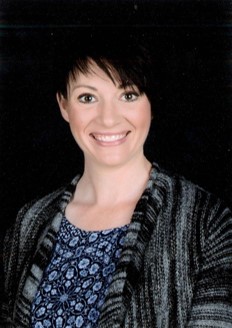
Meghan Rodin
Position: Teacher
School: Paxson Elementary School
School District: Missoula County Public Schools
City, State: Missoula, MT
Meghan Rodin was nominated anonymously.
Ms. Rodin believes a strong classroom culture is the foundation for meaningful learning. She intentionally creates a classroom community where every student feels safe, welcomed, loved, respected, and valued every day. She believes strong relationships and a sense of belonging are essential to student success, and she works to ensure every child knows they are an important, valued member of the classroom family—regardless of their abilities, backgrounds, personalities, strengths, challenges, or individual needs.
She strives to create a classroom where students know that they belong, their voices matter, and they are an important part of the community. A positive classroom environment isn't limited to a specific lesson or time of day; it is woven into everything she and her students do. From the moment students arrive in the morning until they leave at the end of the day, they intentionally develop and practice kindness, empathy, respect, responsibility, perseverance, self-regulation, problem-solving, cooperation, and compassion. She explicitly teaches these character traits through developmentally appropriate and meaningful lessons that help students understand what these qualities look and sound like and how to put them into practice.
They revisit and apply these skills throughout academic instruction, classroom routines, transitions, recess, lunch, specials, and play. She views every interaction as an opportunity to teach students how to care for themselves, care for others, and contribute positively to their classroom and school community.
Ms. Rodin doesn't simply expect students to know how to create a positive community; she intentionally teaches them how to do it. She believes every child deserves to experience success, and she recognizes that success looks different for every student. She works to know her students as individuals—their strengths, interests, personalities, learning styles, challenges, and areas for growth—and uses that knowledge to provide the support, encouragement, and opportunities they need to thrive. She meets students where they are academically, socially, emotionally, and developmentally while maintaining high expectations for every learner. When students are working at a different level than their peers, she provides additional materials, strategies, and learning opportunities that meet their individual needs while remaining connected to what the class is learning. Whether a student needs additional modeling and repetition, greater academic challenge, support with communication or self-regulation, or encouragement to take the next step, she strives to ensure that every child has the support necessary to participate, grow, and experience success. By recognizing and responding to individual needs, she helps students feel capable, included, and valued.
Inclusion is an active and essential part of her classroom culture. Ms. Rodin intentionally fosters a community that respects and celebrates differences, and teaches students that everyone brings unique strengths and perspectives to the classroom. She teaches students to notice and appreciate what makes each of them special while also recognizing the many things they have in common. Students learn that being a member of their classroom family means supporting one another, celebrating one another's successes, showing compassion when someone is struggling, and understanding that everyone may need different kinds of support to be successful.
A growth mindset is another important part of her classroom environment. She consistently reminds students they can learn, grow, and do hard things. They celebrate effort, perseverance, progress, and the courage to try rather than focusing only on getting an answer right. When something feels difficult, she encourages students to use positive self-talk, try a different strategy, ask for help, learn from mistakes, and keep going. Students learn that mistakes are a natural and valuable part of learning and that "I can't do it yet" is very different from "I can't do it." She wants every student, regardless of their starting point, to approach challenges with the confidence to believe they can learn, grow, and accomplish things they may not yet believe are possible.
Ms. Rodin also intentionally teaches students how to support one another as learners and as members of their classroom community. Students use peer-to-peer feedback to help drive their learning, reflect on their work, and support one another. She explicitly teaches students how to give and receive feedback respectfully and constructively. Because students know their classroom is a safe, supportive environment, they feel comfortable sharing their thinking, asking questions, taking risks, and learning from one another. These same skills extend beyond academics as students learn to use communication, empathy, problem-solving, and self-regulation when working through personal challenges or problems with peers. When students can independently encourage, help, and support one another, the positive culture they have intentionally built becomes part of their behavior and thinking.
When challenges arise, Ms. Rodin views them as opportunities to teach rather than simply correct. She helps students identify what happened, consider how their actions affected themselves or others, and think about what they can do differently moving forward. Students are given opportunities to reflect, repair, practice appropriate strategies, and try again. She models, explicitly teaches, practices, reinforces, and revisits positive behaviors and expectations every day. She recognizes that children continually develop these skills and that students may need different levels and types of support along the way. Ms. Rodin responds with patience, consistency, compassion, and the belief that every child can learn from challenges and keep growing.
Her goal is to create a classroom where every student feels they belong and has the opportunity to succeed. She wants students to feel comfortable taking risks, making mistakes, asking questions, expressing themselves, advocating for what they need, and learning from one another. By intentionally nurturing relationships, celebrating differences, encouraging student voice, fostering a growth mindset, maintaining high expectations, providing individualized support, and teaching students how to care for and support one another, she strives to create a classroom community where every child knows they belong, they matter, and they are capable of making a positive difference. Ultimately, she wants students to leave the classroom with more than academic knowledge. Ms. Rodin wants them to carry with them confidence, character, resilience, compassion, and a belief in themselves and others.